Does Artificial Grass Survive Ontario Winters in Orangeville?
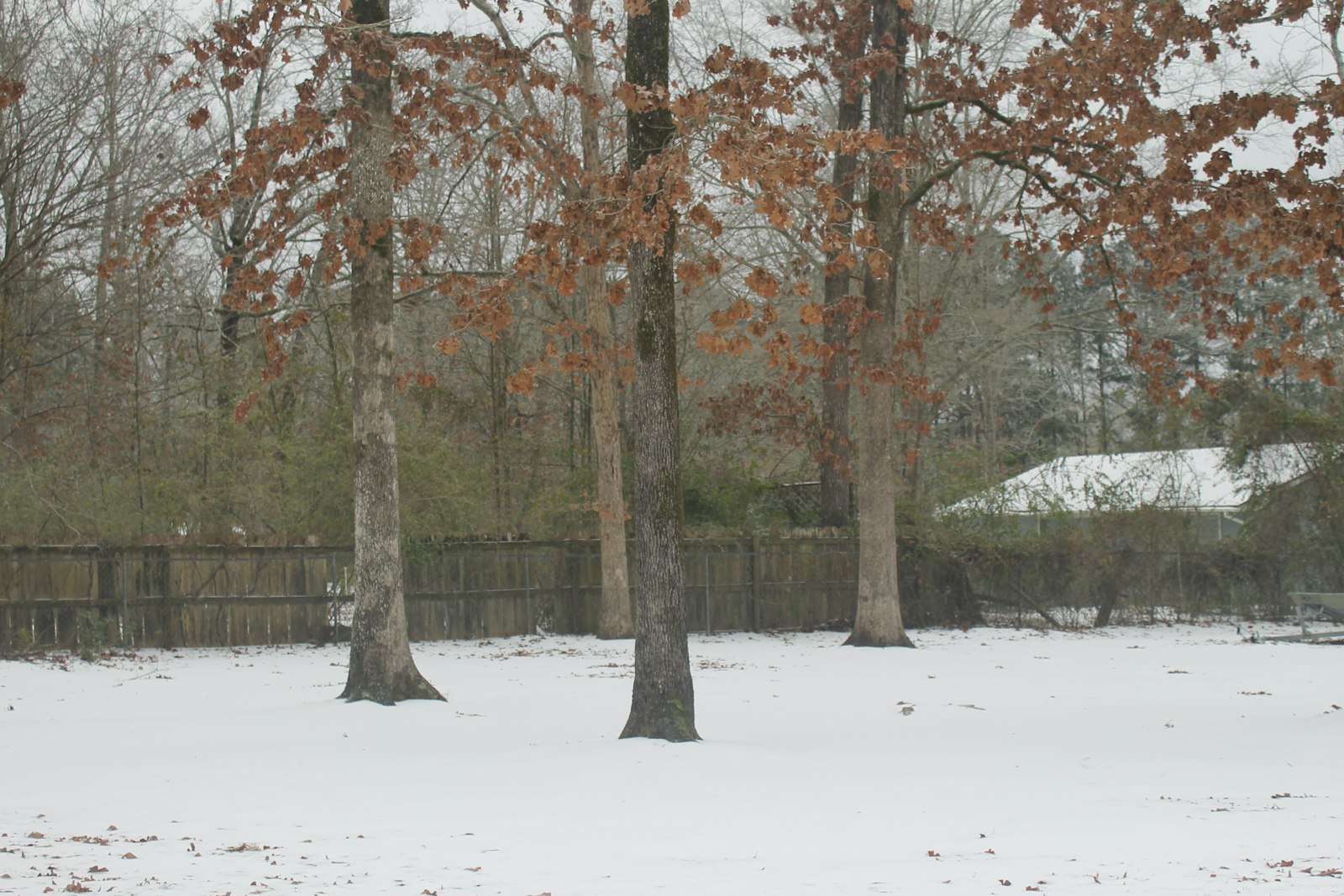
Anyone who has spent a January in Dufferin County knows our winters are no joke, so it is fair to ask whether artificial grass survives Ontario winters here in Orangeville. The short answer is yes. Quality synthetic turf is built to handle snow, frost, and repeated freeze-thaw without cracking, fading, or going brittle. Sitting on the Orangeville Moraine at about 415 metres, our town gets more snow and sharper cold than downtown Toronto, and turf holds up through all of it when it is installed on the right base.
Does artificial grass survive Orangeville winters?
Yes. The plastic fibres in modern turf stay flexible in deep cold and are UV stable, so they do not become brittle or bleach out over a Dufferin winter. Snow and ice sit on top and drain away as they melt, the same way rain does the rest of the year. The turf you see around Island Lake homes and Montgomery Village yards comes through the season looking the same in April as it did in November.
What snow and the Dufferin snowbelt do to synthetic turf
Not much, which is the point. Orangeville sits in the path of the Dufferin snowbelt, so we pile up more centimetres over a season than the lakeshore cities to the south. Snow simply blankets the turf and melts through the porous backing when it thaws. You can leave a light cover to melt on its own. For deeper snow you want cleared, use a plastic shovel or a stiff broom and stop short of the blades rather than scraping down hard. A metal-edged shovel is the one tool to keep off it, since dragging metal across the fibres can tear them.
Freeze-thaw and frost heave: the real winter question
The blades are the easy part. The base under them is what actually decides how turf handles an Orangeville winter. Our shoulder seasons swing above and below freezing over and over, and that freeze-thaw cycle is what heaves patios, driveways, and poorly built turf bases. On the clay-heavy pockets common around Dufferin, water trapped under the surface expands as it freezes and can lift an area unevenly. A correctly built installation prevents this with a deep, well-compacted crushed-stone base that drains freely, so water moves down and away instead of freezing in place. This is exactly why base depth matters more here than in milder parts of the province.
The mud-free shoulder seasons
One of the quiet wins with turf shows up in the in-between weeks, the freeze-and-thaw stretch of late autumn and early spring when a natural lawn in Orangeville turns to mud. Bare, saturated grass gets churned into a mess by kids, dogs, and foot traffic, and that mud ends up tracked across the patio and into the house. Because synthetic turf drains through its backing and has no soil to churn up, it stays firm and clean through those weeks. For families near Island Lake or in the newer Montgomery Village streets, that alone is often reason enough to make the switch.
Ice, salt, and de-icing
Keep rock salt off artificial grass. It will not usually harm the fibres directly, but the granules work into the infill and can leave a white residue that you then have to rinse out in spring. If a walkway of turf ices up, let it melt naturally or break the surface gently with a plastic tool. A calcium-magnesium ice melt is gentler than standard road salt if you truly need something, but on a lawn area you rarely do.
Does artificial grass get slippery or icy in winter?
Less than you might think. Because water drains through the porous backing instead of pooling on top, turf tends to form less surface ice than a sealed patio or a poured concrete walkway. When a hard freeze does glaze the surface, it behaves like any frozen ground, so use the same caution you would on a frosty morning anywhere in Orangeville. The infill and the fibres still give a little grip underfoot, which is one reason turf is a popular surface around pools and back steps where a slip matters.
Why installation quality decides winter performance
Every point above assumes the turf was installed properly, and that is the real variable. A lawn laid on thin or poorly compacted base with no thought to drainage is the one that ripples, holds water, and heaves after a Dufferin winter or two. A lawn built on a deep, compacted, free-draining crushed-stone base shrugs the season off. This is why the base spec matters more in Orangeville than in the milder pockets of the GTA, and why it is worth asking any installer exactly how deep they build and how they handle drainage before you commit.
What to expect at spring thaw
After months under snow, the fibres can look flat where drifts sat longest. That matting is normal and temporary. A cross-brush against the grain with a stiff push broom stands the blades back up, and any grit or sand tracked on over winter rinses off with a hose. Within a day of tidying, the lawn looks like itself again. For a season-by-season routine, the Artificial Grass Orangeville installers put together a simple care guide you can follow.
Frequently Asked Questions
Will Orangeville winters damage artificial grass?
No. The fibres stay flexible and UV stable in deep cold, and snow melts and drains through the backing. The main winter risk is frost heave in the base, which a deep, well-drained crushed-stone base prevents.
Can I shovel snow off artificial turf?
Yes, with care. Use a plastic shovel or a stiff broom and avoid scraping right down to the blades. Keep metal-edged shovels off the turf, since they can tear the fibres.
Should I use salt on my synthetic lawn in winter?
Avoid rock salt. It works into the infill and leaves residue you have to rinse out later. Let ice melt naturally, or use a gentler calcium-magnesium product only if you really need traction.