Artificial Grass Maintenance: A Seasonal Care Guide for Orangeville Homeowners
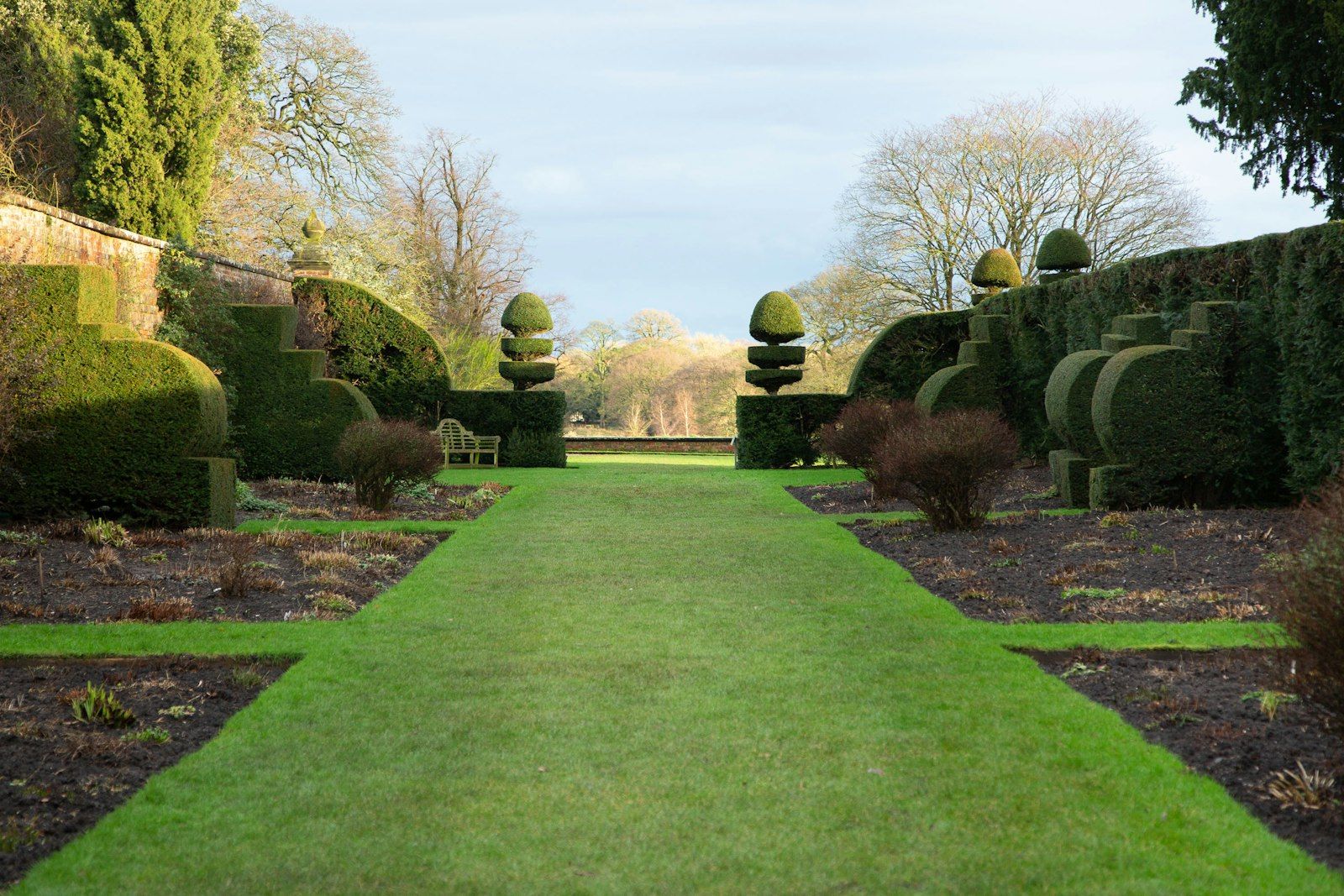
One of the reasons Orangeville homeowners switch to synthetic turf is that artificial grass maintenance is light compared with a real lawn: no mowing, no watering, no fertilizer. That said, low maintenance is not no maintenance. A little seasonal attention keeps your turf looking full and draining well through our Dufferin winters and warm summers. Here is a simple season-by-season routine built for Orangeville yards.
How much maintenance does artificial grass really need?
Not much, and none of it is hard. Plan on a quick brush and rinse every few weeks in the growing season, a leaf clear-off in autumn, careful snow handling in winter, and one deeper cross-brush and infill check a year. That is the whole job. Everything below just breaks that down by season so nothing gets missed.
Spring
Spring is cleanup season. After months under snow, cross-brush the turf against the grain with a stiff push broom to stand the fibres back up where drifts had them matted. Rinse off the grit and sand that got tracked on over winter, and check that the infill still looks even. This is also a good time to clear any maple or ash pollen and the fine debris that blows in as the trees around older Orangeville streets leaf out. A few minutes now sets the lawn up for the whole season.
Summer
Summer upkeep is mostly rinsing. A hose-down every couple of weeks clears dust and pollen and keeps the surface fresh, and it also cools the turf on the hottest afternoons, since synthetic grass holds more heat than natural grass. If you have a dog, rinse pet spots regularly and the odour never gets a chance to build. Keep an eye on the edges where turf meets garden beds, as the odd weed can try to root in surface debris and pulls out easily when caught early.
Fall
Autumn is all about leaves. Orangeville has plenty of mature maples, especially through the older Broadway-area neighbourhoods, so expect a steady drop. Clear leaves with a leaf blower, a plastic rake, or a stiff broom before they mat down and break into fine debris that can settle into the infill. Keeping the surface clear also keeps the drainage holes in the backing open ahead of winter, so meltwater has somewhere to go.
Winter
Winter care is about being gentle. Let light snow melt and drain on its own. For deeper snow you want cleared, use a plastic shovel or a stiff broom and stop short of the blades rather than scraping to the base. Keep rock salt off the turf, since it works into the infill and leaves a residue to rinse out in spring. If you want the full cold-weather rundown, our guide on how turf handles Orangeville winters goes deeper.
What tools and products do you actually need?
Very little, and most of it you already own. A stiff push broom or a plastic leaf rake handles the brushing and the autumn leaves, and a garden hose covers the rinsing. A leaf blower speeds up fall cleanup on a larger lawn but is not essential. For occasional pet spots or a general refresh, a turf-safe enzyme cleaner is the only specialty product worth keeping on hand, and a small bag of matching silica infill is handy for the once-a-year top-up. Skip harsh solvents, bleach, and pressure washers on a high setting, since those can damage the fibres or blast the infill out of place. Everything turf needs is gentle and inexpensive.
Common problems and quick fixes
Most turf issues are small and easy to sort out. Flattened fibres along a favourite walking path lift back up with a stiff-broom cross-brush against the grain. A patch that drains slowly after heavy rain usually means debris has clogged the backing, so clearing the surface and rinsing it through fixes the flow. Weeds are rare on a properly installed lawn but can sprout at the edges where wind-blown seed lands in surface grit, and they pull out easily by hand when caught early. Pet odour is a matter of rinsing spots regularly, with a mild turf-safe enzyme cleaner for a deeper refresh. Static or a musty smell in a shaded corner clears with a rinse and better airflow. Almost nothing about turf calls for a specialist.
Once a year: cross-brush and infill top-up
Once a season, usually in spring, give the whole lawn a thorough cross-brush to redistribute the infill and lift the pile evenly, paying extra attention to high-traffic paths where the fibres flatten fastest. Over years of use some infill can settle or wash toward the low points, so check the depth and top it up if the blades are starting to lie flat. If you would rather have it handled, the Artificial Grass Orangeville team can refresh the infill and give the turf a proper going-over as part of a service call.
Frequently Asked Questions
How often should I clean artificial grass?
A quick rinse and light brush every couple of weeks in the growing season is plenty for most Orangeville yards. Add a leaf clear-off in autumn and one deeper cross-brush a year, and the lawn stays full and draining well.
Do I need to top up the infill on artificial grass?
Occasionally. Over years of use, infill can settle or migrate toward low spots, especially on high-traffic paths. Check the depth once a year and top it up if the blades start lying flat.
How do I get rid of pet odour on artificial turf?
Rinse pet spots regularly with water so nothing has a chance to build up. For a deeper clean, a mild enzyme cleaner made for turf handles odour without harming the fibres or infill.